

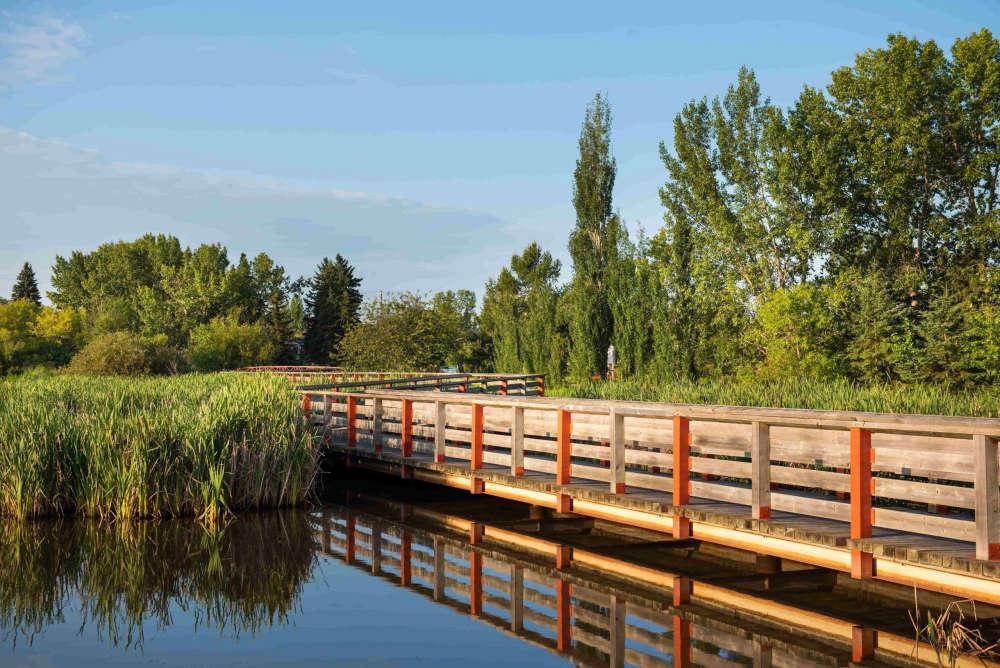
LEDUC -- The Leduc Wildlife Conservation Society is pushing for enhanced environmental protections for Telford Lake.
In their presentation to Leduc City Council this week, the LWCS outlined their disappointment that many of their recommendations from 2022 have not be put into action. They cite insufficient buffers in terms of distance, topography, ecosystems between the industrial parks, and the lake itself to protect wildlife and natural areas.
"There's insufficient guidelines to reduce noise pollution, light pollution, water pollution," said John Stephen, President of the Leduc Wildlife Conservation Society. "Insufficient or no berm -- at that time, when I was doing my presentation, there was a one-metre-high berm -- one tree every so many square metres, not really a very big buffer."
Stephen notes that all of the aforementioned factors result in fewer nesting birds, less wildlife, and a less sustainable natural area. In particular, he says the Harvest and Lakeside Industrial Parks as being of particular concern due to increased pollution -- especially when developing the industrial parks in terms of garbage, smells, and noise both during and after construction.
According to the LWCS, various other planned projects in the vicinity of Telford Lake have also raised concerns. These include a Mixed-Use Development planned for directly south of the lake, and a proposed Catholic high school by the current dog park.
"We're not opposed to development, we know we need new houses, we know we need new industrial parks," said Stephen. "We are opposed to the lack of protection, the lack of a buffer, and potentially the community sensitivity shown by these developments."
He suggests the City of Leduc pursue plans to buy-back lands in the area -- or look into the idea of possible land swaps -- in order to create larger buffer zones between development and the natural areas of Telford Lake. Other ideas raised by the LWCS include providing incentives to developers to protect natural areas, building bigger berms (not 3m wide x 1m high), and to plant hundreds, or even thousands of trees to block sound and light and unsightly warehouses.
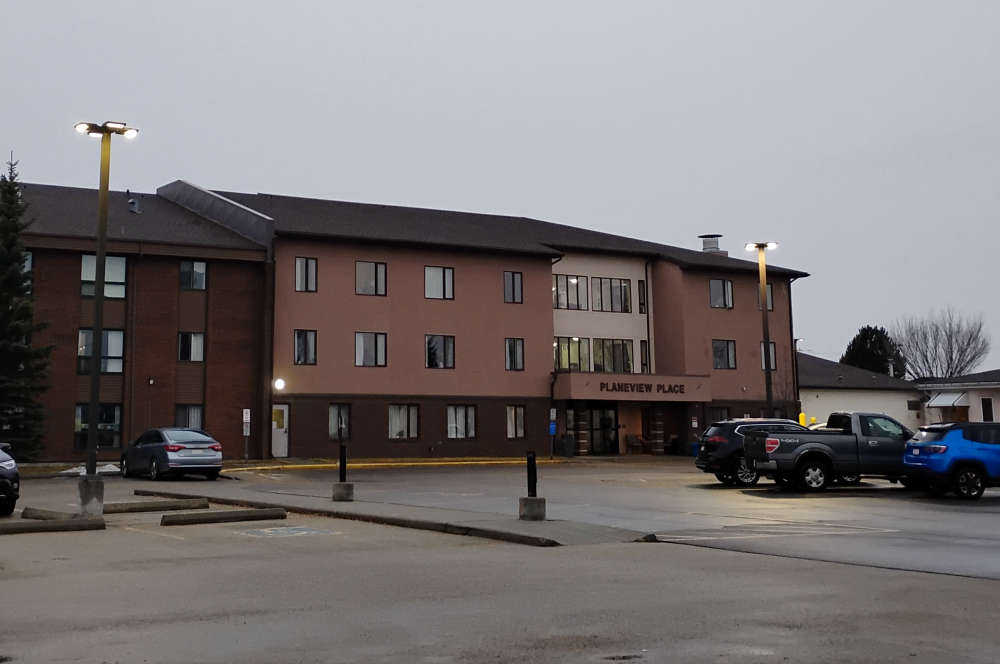 Planeview Manor to undergo major redevelopment
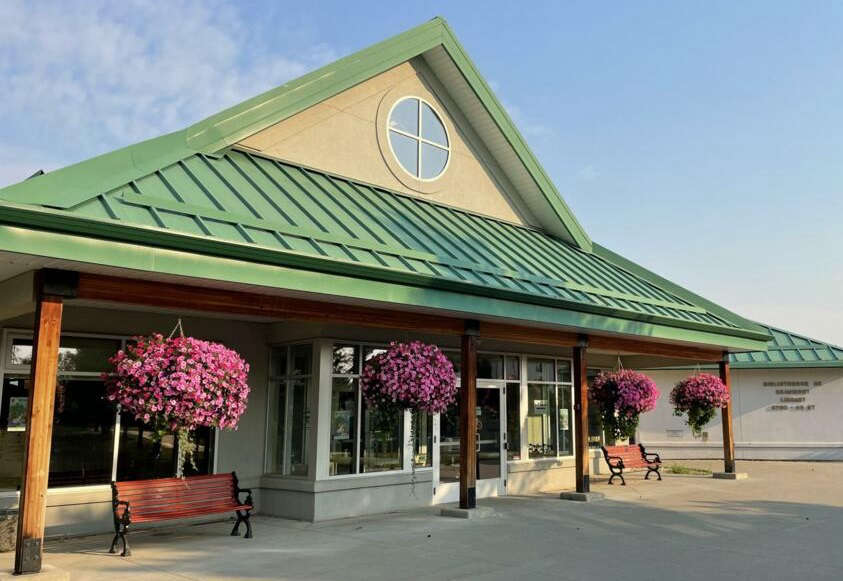 Beaumont Library records all-time highs for visits, program attendance
 Repairs continue following water main break in Thorsby
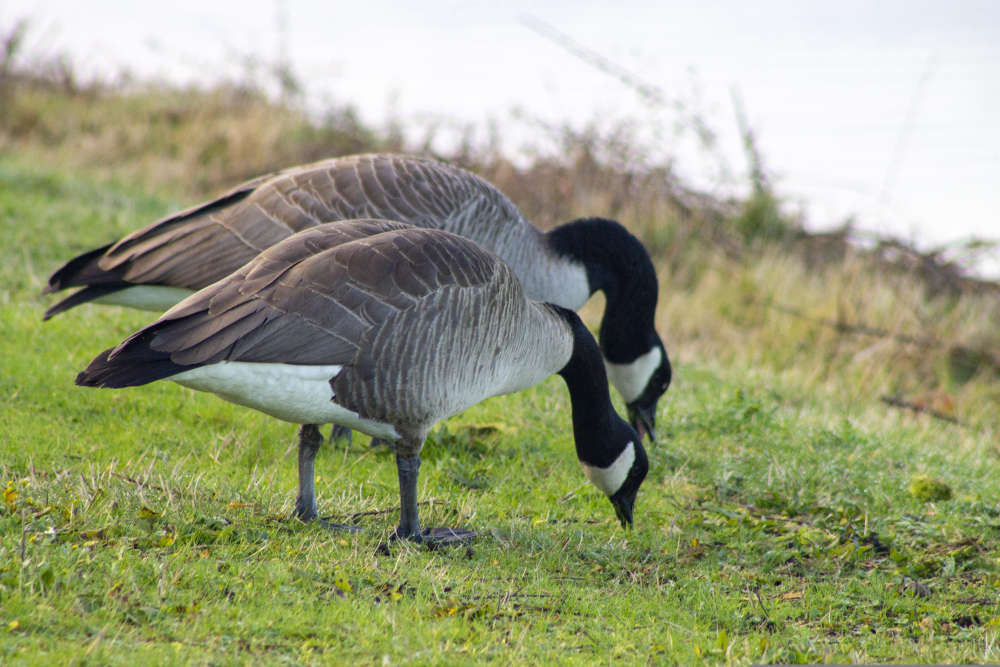 Calmar explores options to curb rise in local geese population
 Leduc sports tourism provides economic boost